-
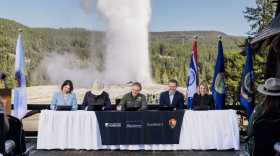 Skeptics question energy company’s data center ties, but former superintendent takes $105M in good faith.
 -
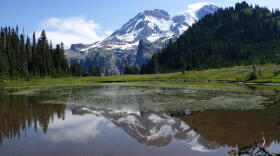 Jessie Sears, a Karuk documentary film producer for Oregon Public Broadcasting, joined an Indigenous journey up Mount Tahoma, also known as Mount Rainier, the tallest mountain in the Cascades.
 -
 Satellites like NOAA and NASA’s GOES constellation have been an important fire science tool for years. Over the summer, the nonprofit Earth Fire Alliance launched the first three satellites of its FireSat program, and the first images taken by them were recently released.
 -
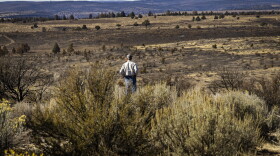 Twenty firefighters have died so far this season, and hundreds of homes have been destroyed across the West.
 -
 For many Indigenous communities, hunting is a key part of culture and subsistence. But tribal hunting rights are often misunderstood or not respected.
 -
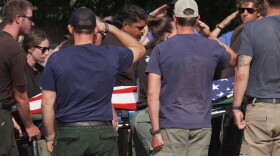 Vicki Christiansen, who retired as Forest Service chief in 2021, pointed to aggressive agency mandates to quickly extinguish fires as a possible factor at play during this dangerous season.
 -
 A bill — known as the Wildland Firefighter Health and Safety Act — was recently introduced in both chambers of Congress, and enjoys bipartisan support.
 -
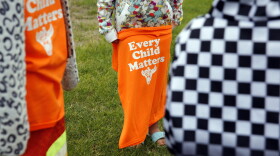 The day of remembrance is for the Indigenous children who were taken from their families and sent to boarding schools.
 -
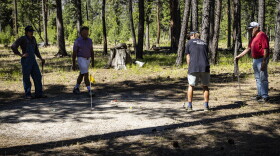 The Yellow Pine Country Club is free to play, and you don't even need to bring your own clubs and balls. But tournaments there are part of how the remote, unincorporated town pays for things like fire station additions.
 -
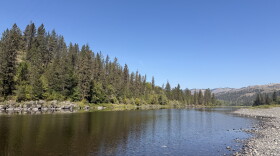 For the Nimíipuu, the start of fall means fishing and root harvesting are winding down. As the weather cools, it's also the time to prepare for the winter months ahead.

© 2026 Boise State Public Radio

NPR in Idaho
Play Live Radio
Next Up:
0:00
0:00
Available On Air Stations


