

America 250: Short Histories of Boise

As America turns 250 years old this year and many are reflecting on our country’s past, we wanted to take a closer look at Idaho’s history, which reflects the breadth of the American experience. Discovering more about the places we see and touch in our daily lives can create deeper connections with our home and our community. So we’re taking a deep dive into the history of Boise, one small piece at a time with our America 250: Short Histories of Boise Project.
Each Monday on Idaho Matters, we’ll bring you a snapshot of a small corner of our Capital City and its unique past.
America 250: Short Histories of Boise Project is brought to you in collaboration with the City of Boise’s Department of Arts & History; with support from Boise State University’s History 502 class; and music provided by the City of Boise’s Cultural Ambassador, the Boise Philharmonic.
For a full schedule of city-sponsored America 250 events, visit City of Boise America 250 and for events and programs across the state, visit America 250 in Idaho.
Listen to the Stories:
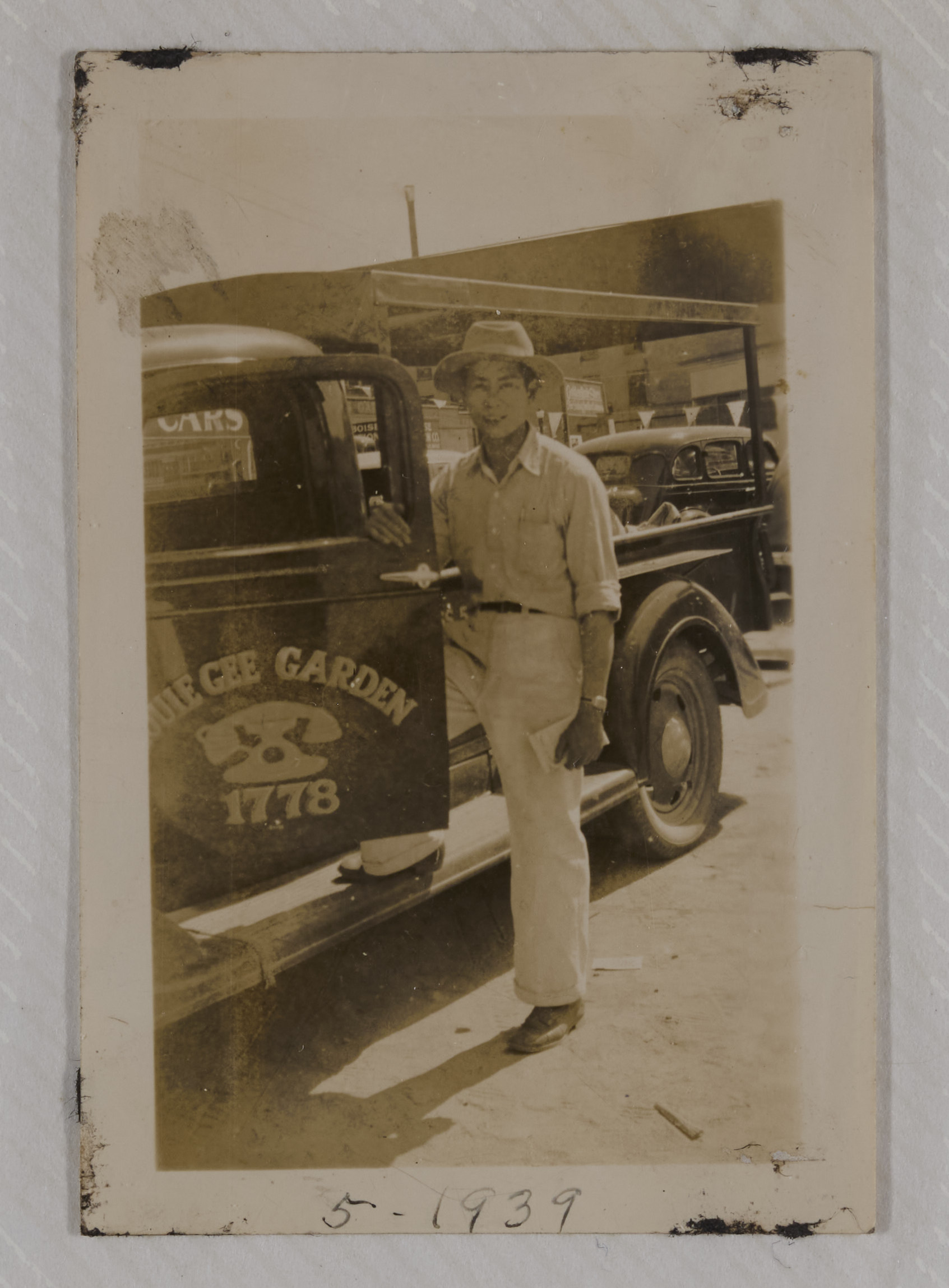
Chinden Boulevard
Driving down Chinden Boulevard in Garden City, it can be hard not to notice the big changes that have come over the past decade. But what might not be so obvious is how this area looked before Garden City was founded. And where did the name Chinden Boulevard come from?
Read more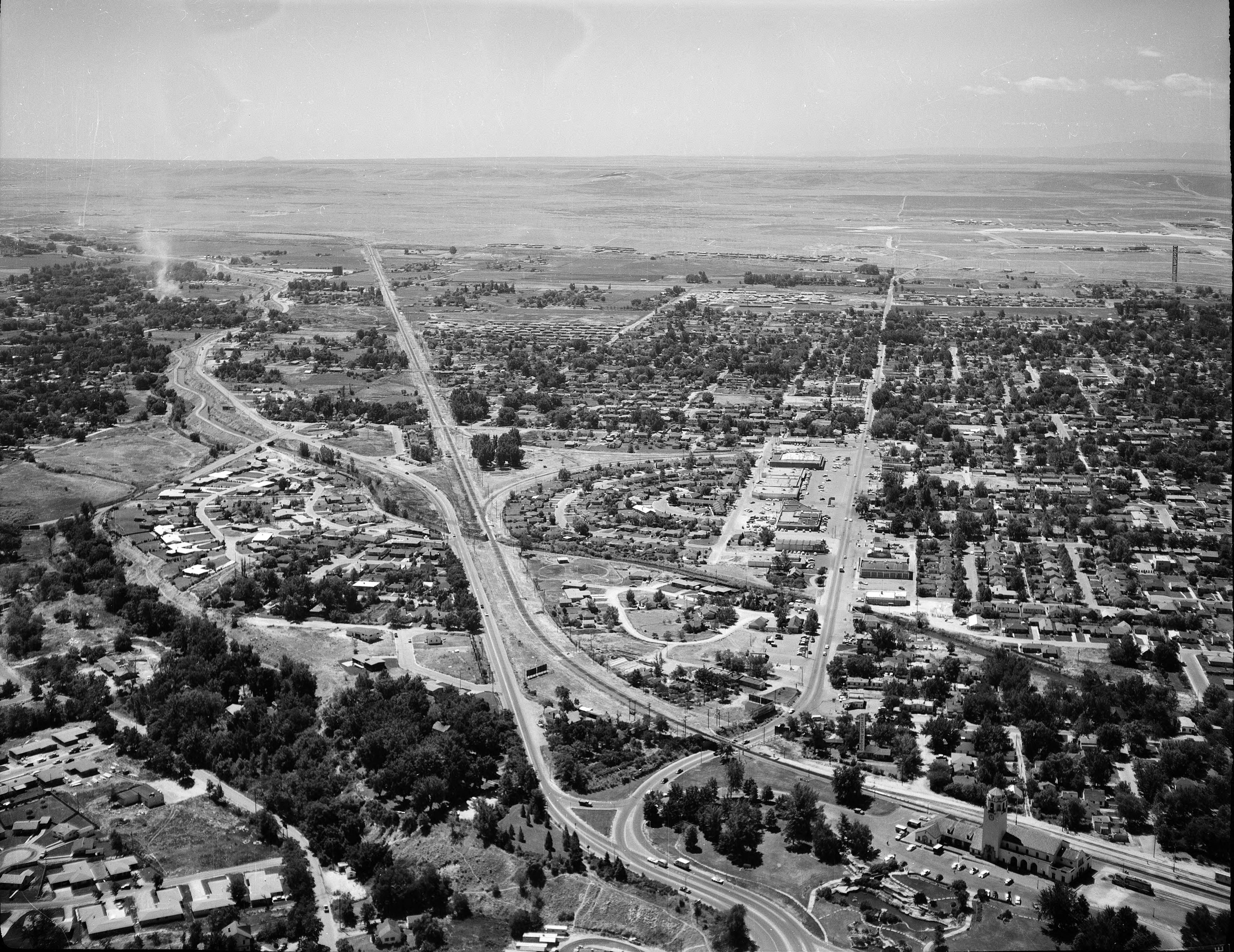
The Bench
Rising above the south side of the Boise River is a stretch of land that locals simply call “the Bench.” And while the Boise Bench may seem like an obvious description for the bluff that jumps up from the valley floor below, have you ever wondered how it formed?
Read more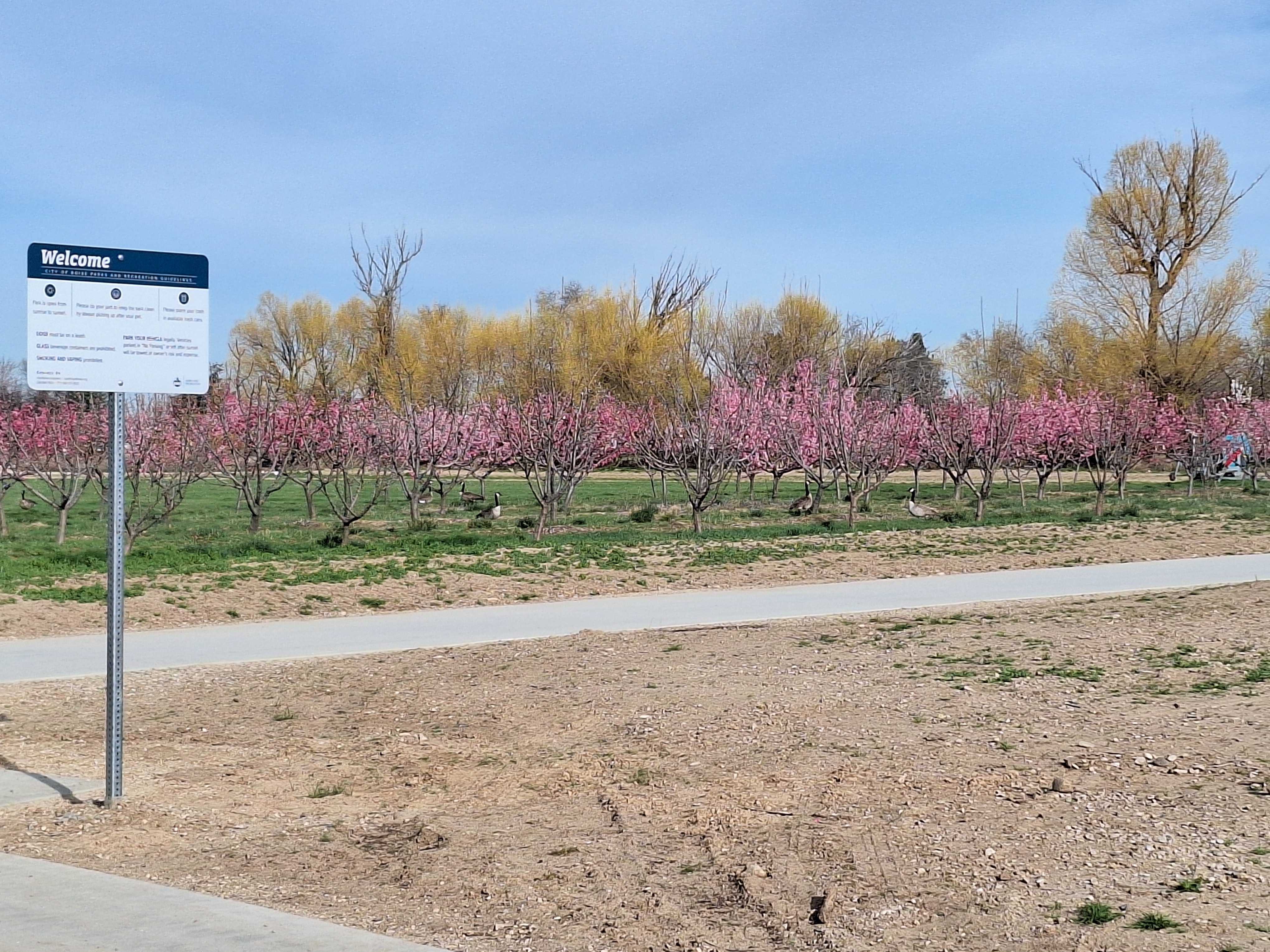
Spaulding Ranch
Have you ever been to Spaulding Ranch on Boise’s West Bench? Maybe you’ve attended the annual fall festival and pumpkin patch or just driven past and wondered what stories live behind that fence on Cole Road.
Read more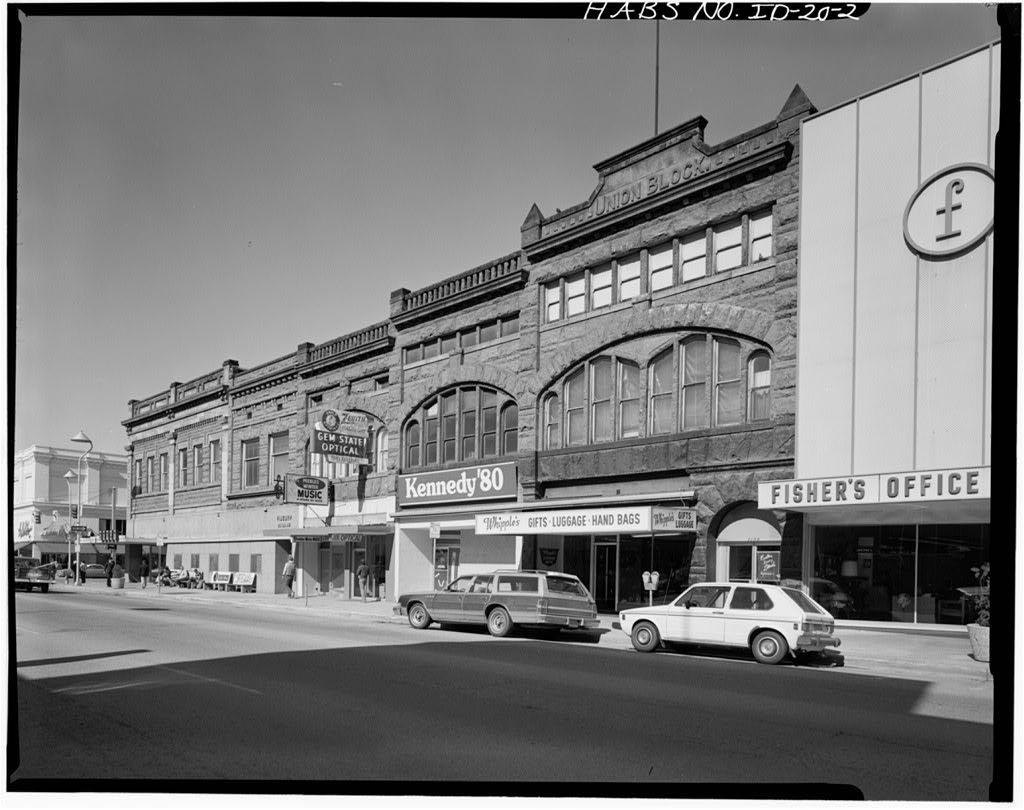
Union Block
The Union Block building on Idaho Street in downtown Boise went up in 1902, which means it’s closing in on 125-years-old. Builders faced the two-story structure with cut stone and newspapers of the day praised it as a handsome new addition to Boise’s growing streetscape.
Read more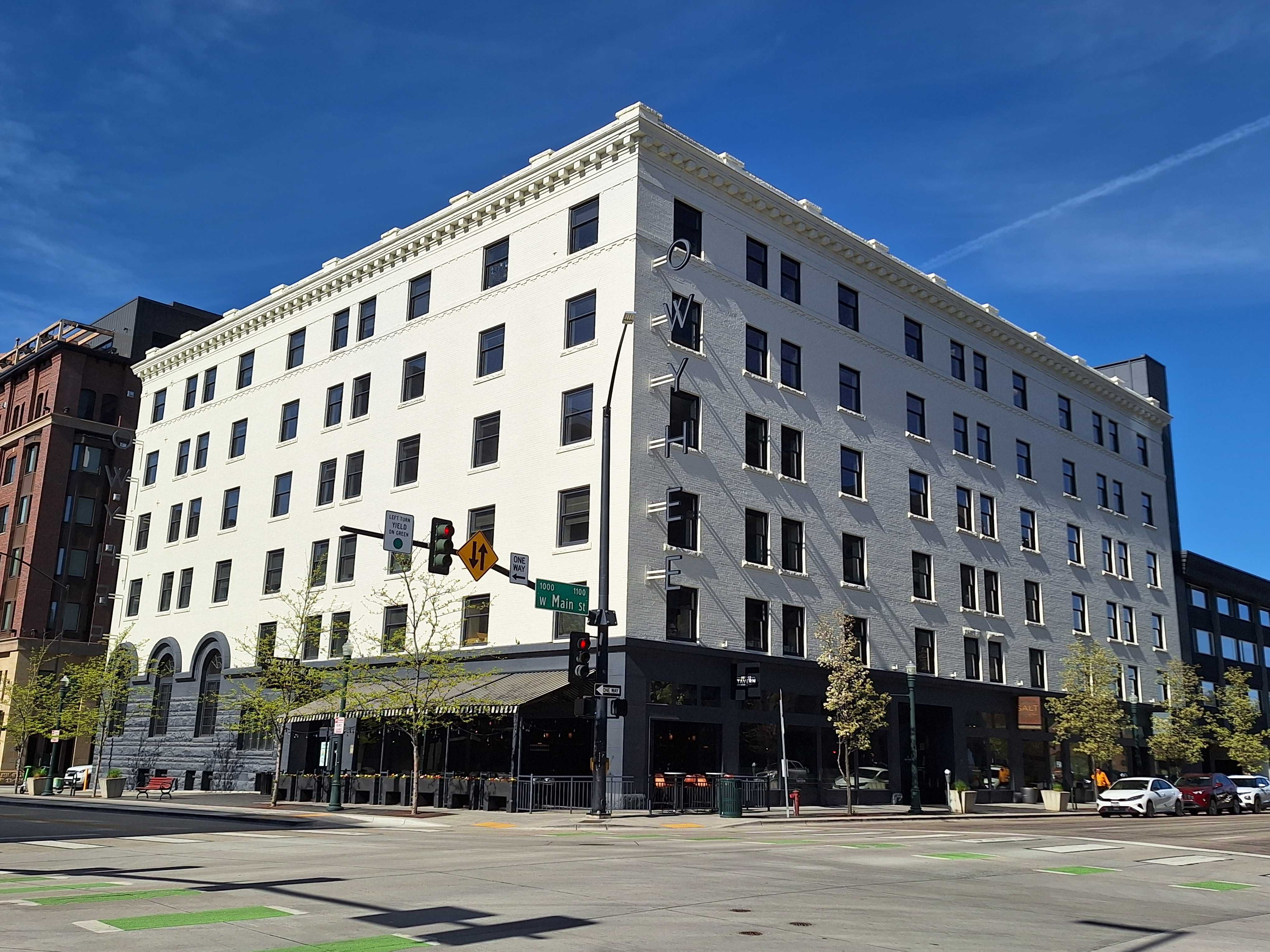
Owyhee Hotel
A surge of newcomers to the capital reshaped Boise from a quiet town into a bustling city almost overnight. A building boom altered the skyline as growing neighborhoods pushed farmland farther and farther from downtown. Boise began to expand, bringing dramatic changes to its look, feel and overall aesthetic.
Read more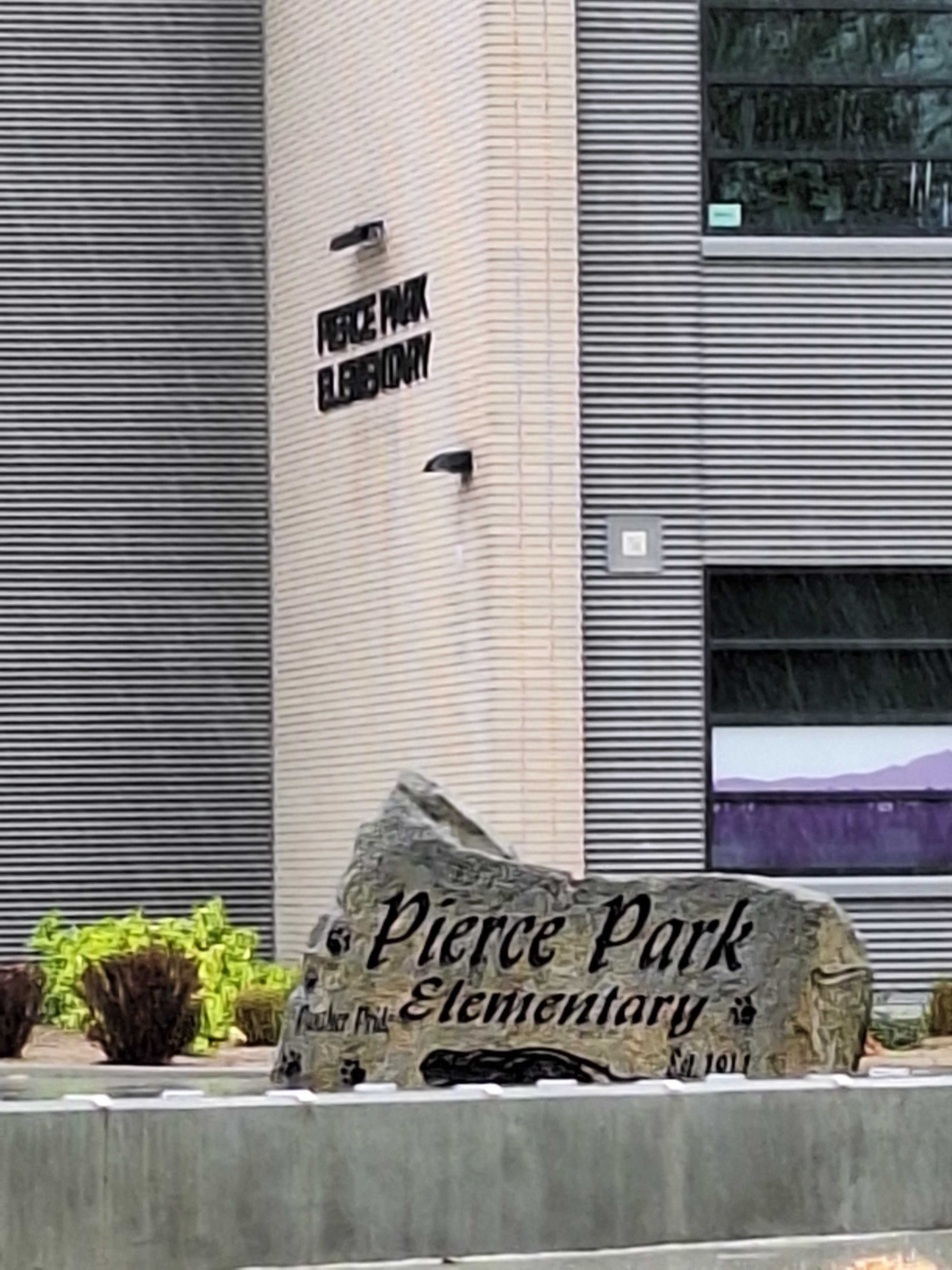
Pierce Park Neighborhood
Just west of downtown Boise, the Pierce Park Neighborhood includes Pierce Park Elementary School and Pierce Park Lane. But have you ever wondered where the name comes from? Who was Pierce? And was there really ever a park?
Read more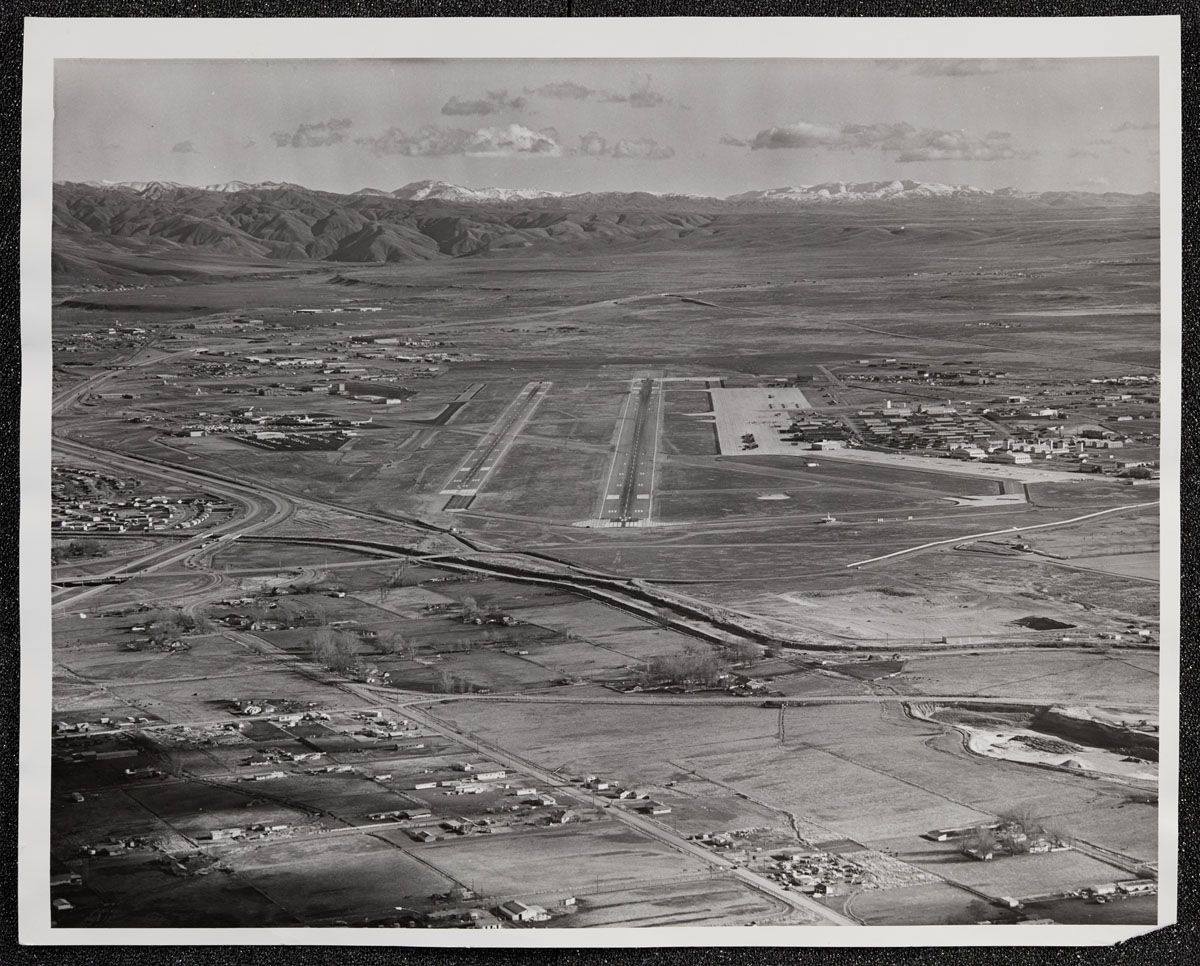
Gowen Field
Today, Gowen Field is home to the Idaho Army National Guard, the Idaho Air National Guard, and Army, Marine, and Navy Reserve units. But this military installation has been part of Boise’s landscape for more than 85 years.
Read more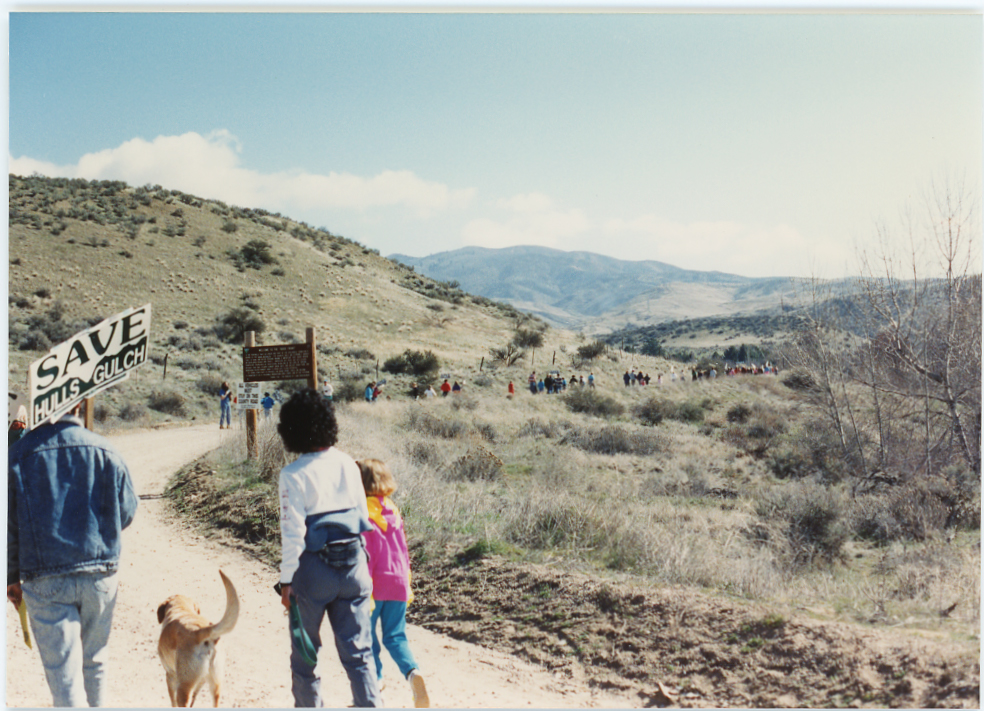
Hulls Gulch
For many Boiseans, the Boise Foothills are a backyard and Hulls Gulch Reserve is one of their favorite access points. Located just north of downtown, near Camel’s Back Park, the gulch is a go-to spot for cyclists, hikers, runners, and more.
Read more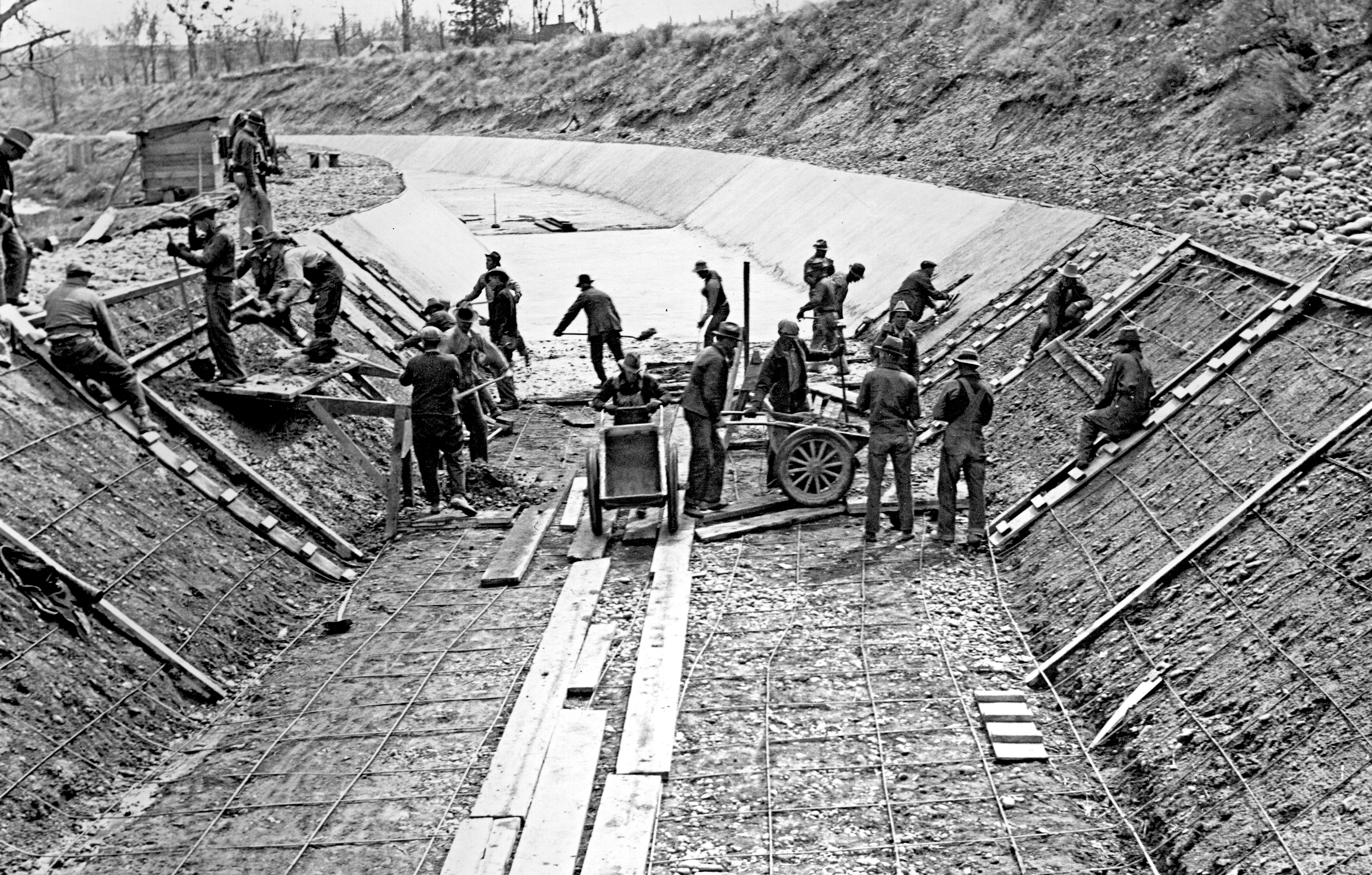
The New York Canal
Who loves meandering around a Treasure Valley farmers market or finding farms to purchase produce such as potatoes, corn, pears, cherries, and of course, grapes. Today, the valley looks and feels far different than it did in 1926. However, Idaho farms produce more agricultural goods than ever before.
Read more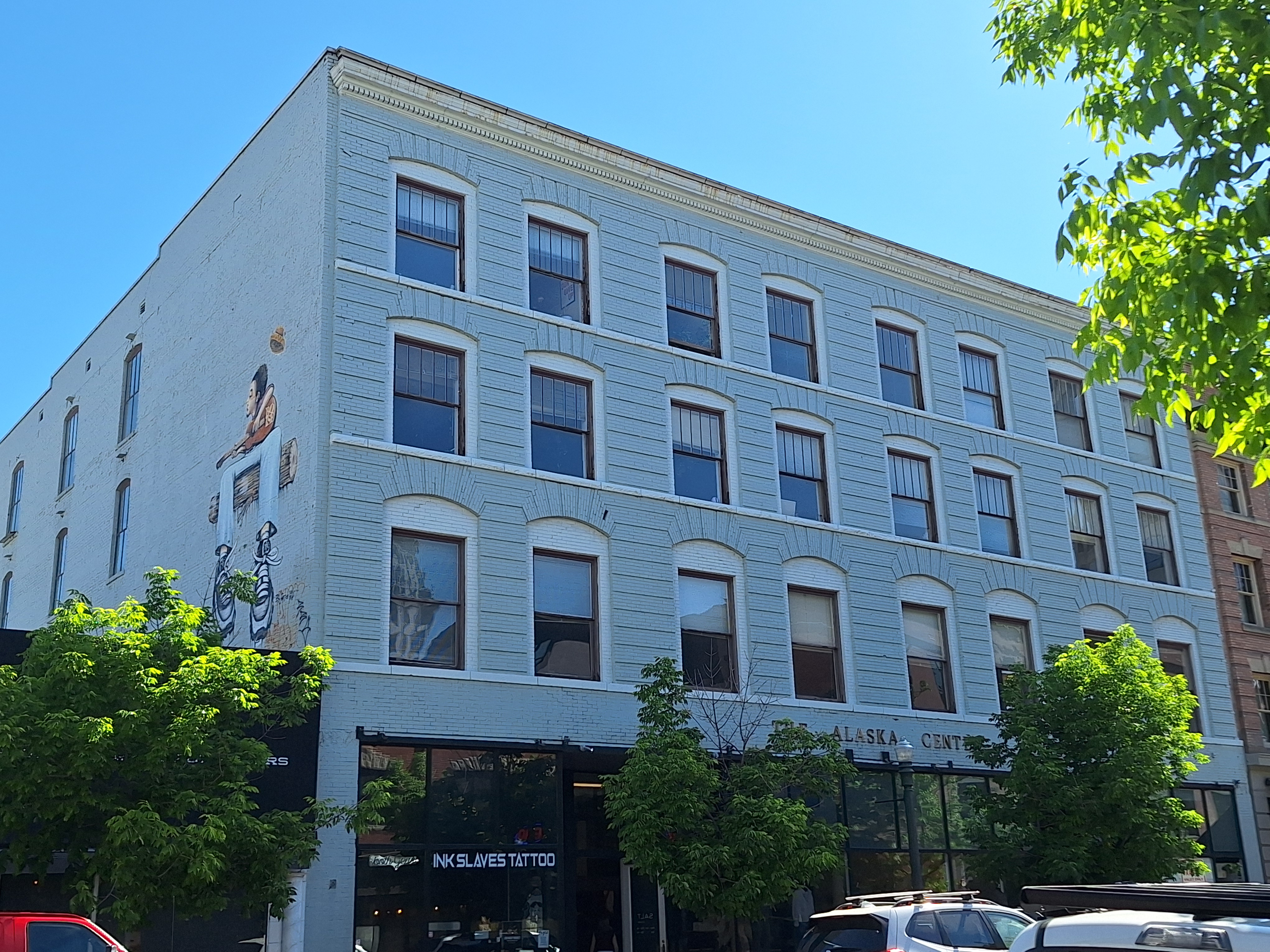
The Alaska Building
What’s the first thing that comes to mind when you think about 1980? The Iran hostage crisis? Reagan’s landslide victory over Carter? If you’ve ever walked down a small-town main street and delighted in the fact that it still looks much as it did a hundred years ago, you might think instead of the Main Street America program.
Read more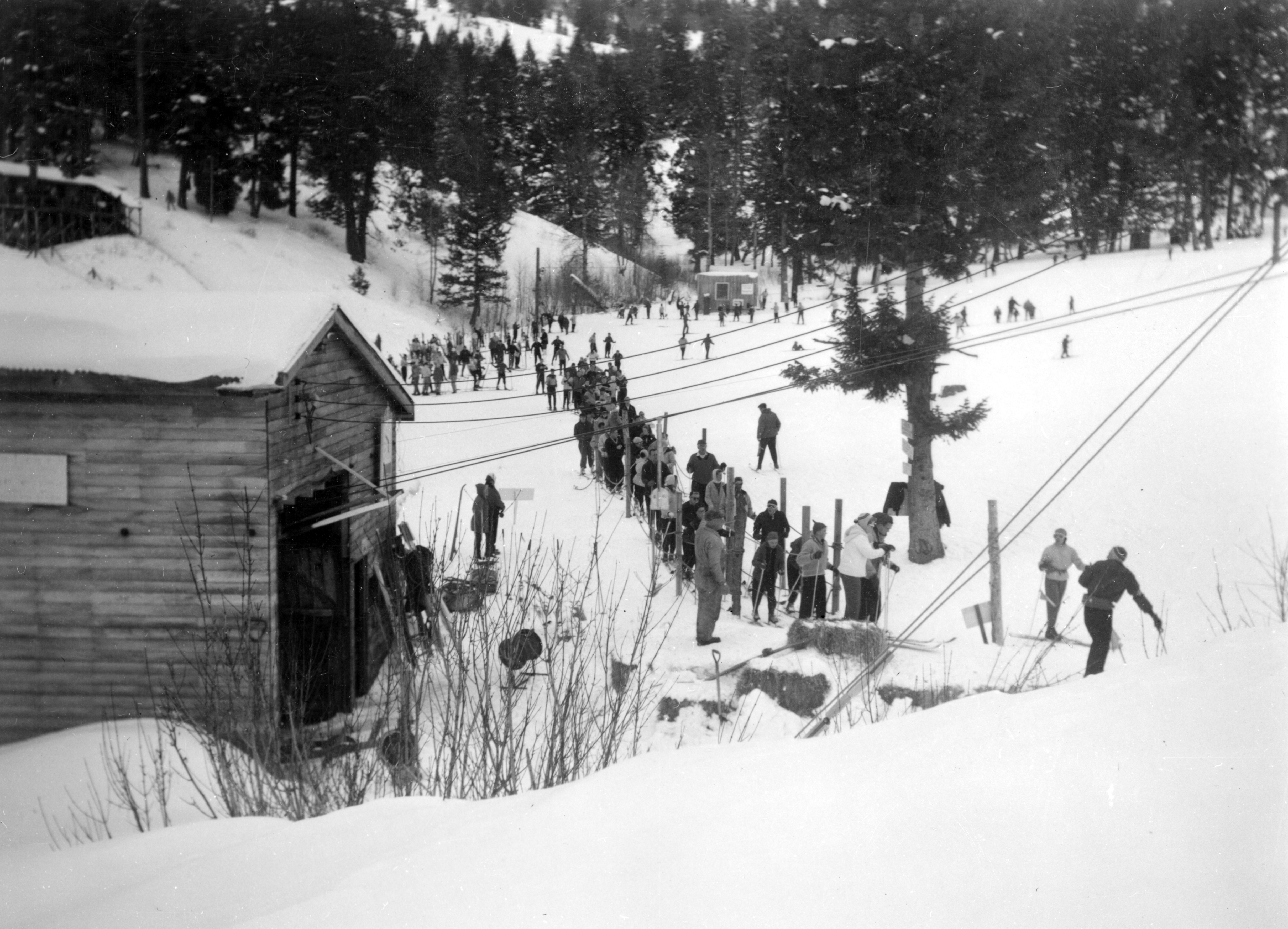
Bogus Basin
On the morning of Dec. 7, 1941, Nampa high school student, David Edmark, drove up to Bogus Basin with his brother Bill and a group of friends. This was before any rope tow or chairlift had been built, so they hiked for their turns skiing that day.
Read more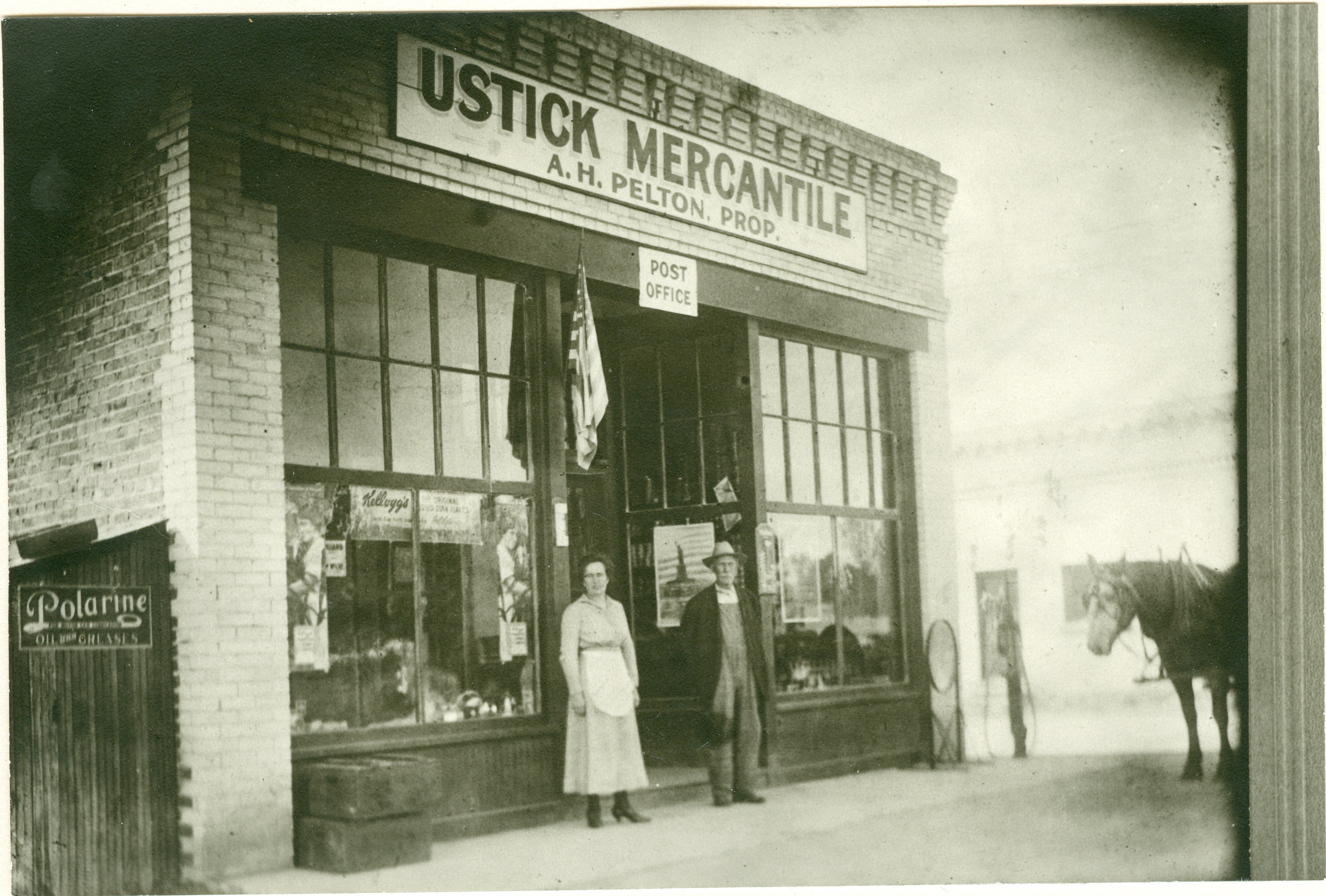
Ustick Road
Imagine it is a crisp Sunday afternoon in September of 1920, and you are a young veteran of the Great War living in Boise. You’re craving some fresh air – so where will you go? You might hop aboard the valley’s electric streetcar system for a short twenty-minute ride out to the community of Ustick, where you can purchase apples and cider and escape the city’s hubbub for a few hours.
Read more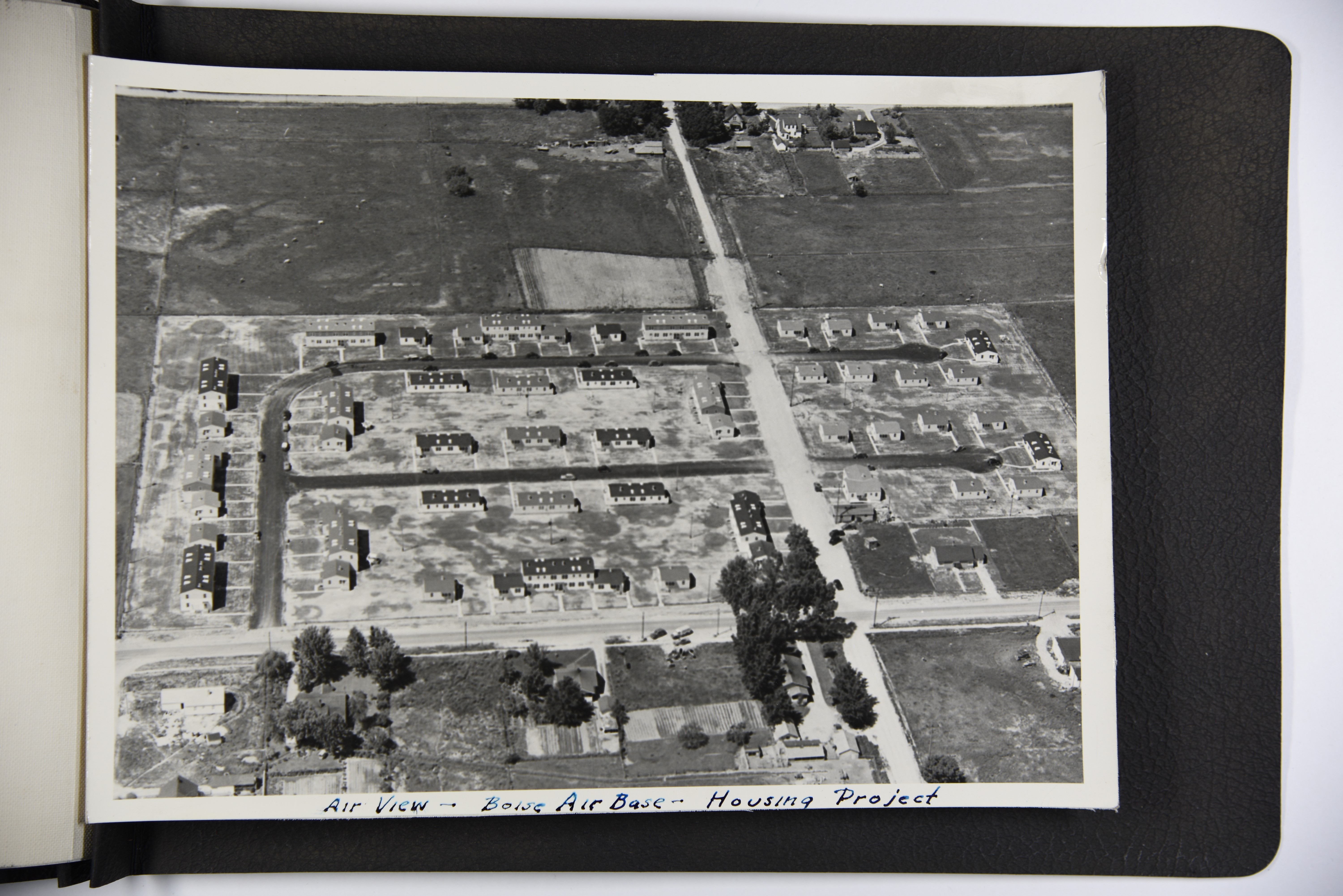
Sergeant City
During the Great Depression, President Franklin D. Roosevelt launched a series of government programs collectively known as the New Deal. Some of these programs, such as the Works Progress Administration and the Civilian Conservation Corps, put unemployed Americans back to work on large infrastructure projects.
Read more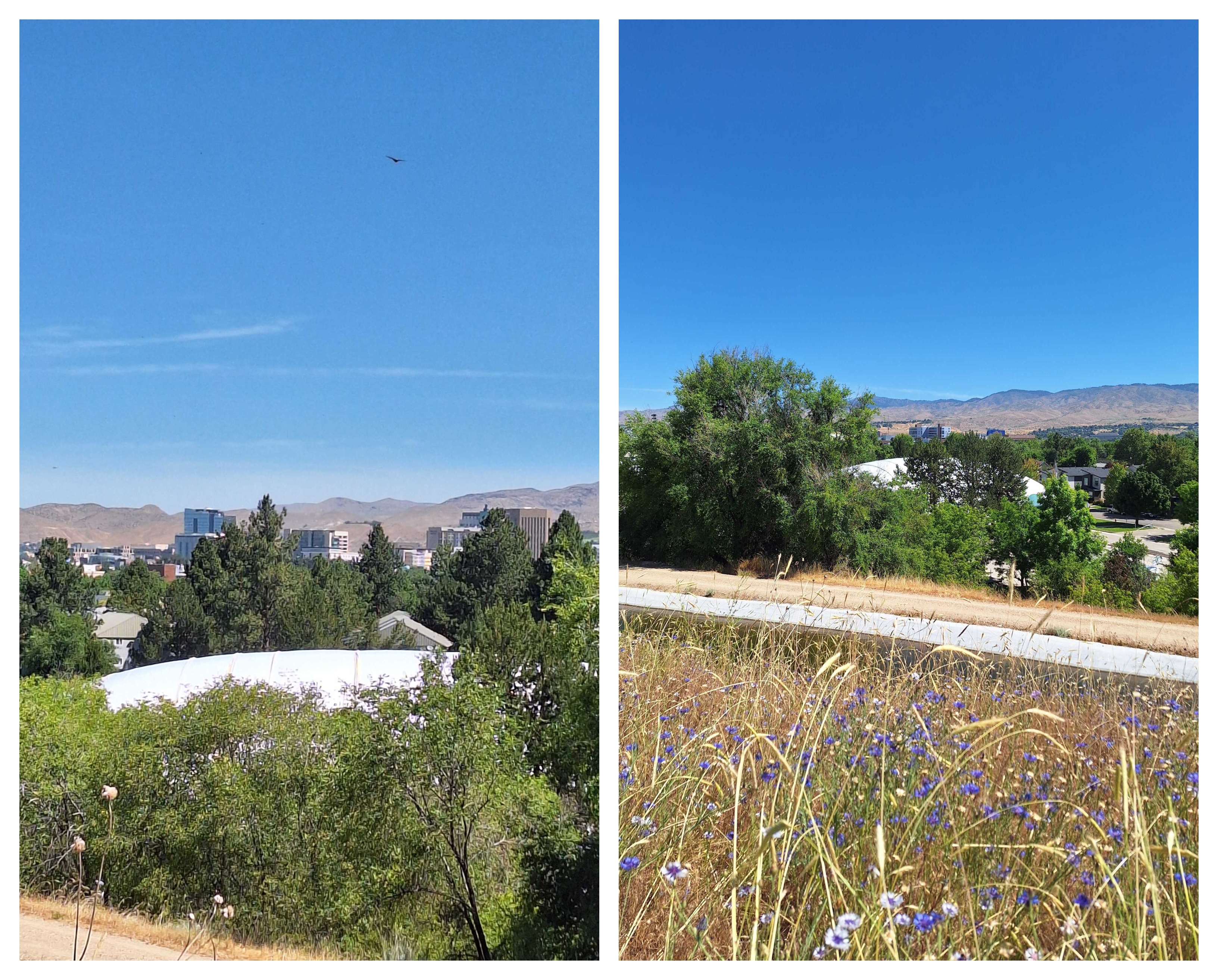
Protest Road
Have you ever driven down the curvy little street called Protest Road that runs between Federal Way on the Bench and Boise Avenue? It’s an unusual name for a road, isn’t it? But was it really the subject of a protest? The answer may surprise you.
Read more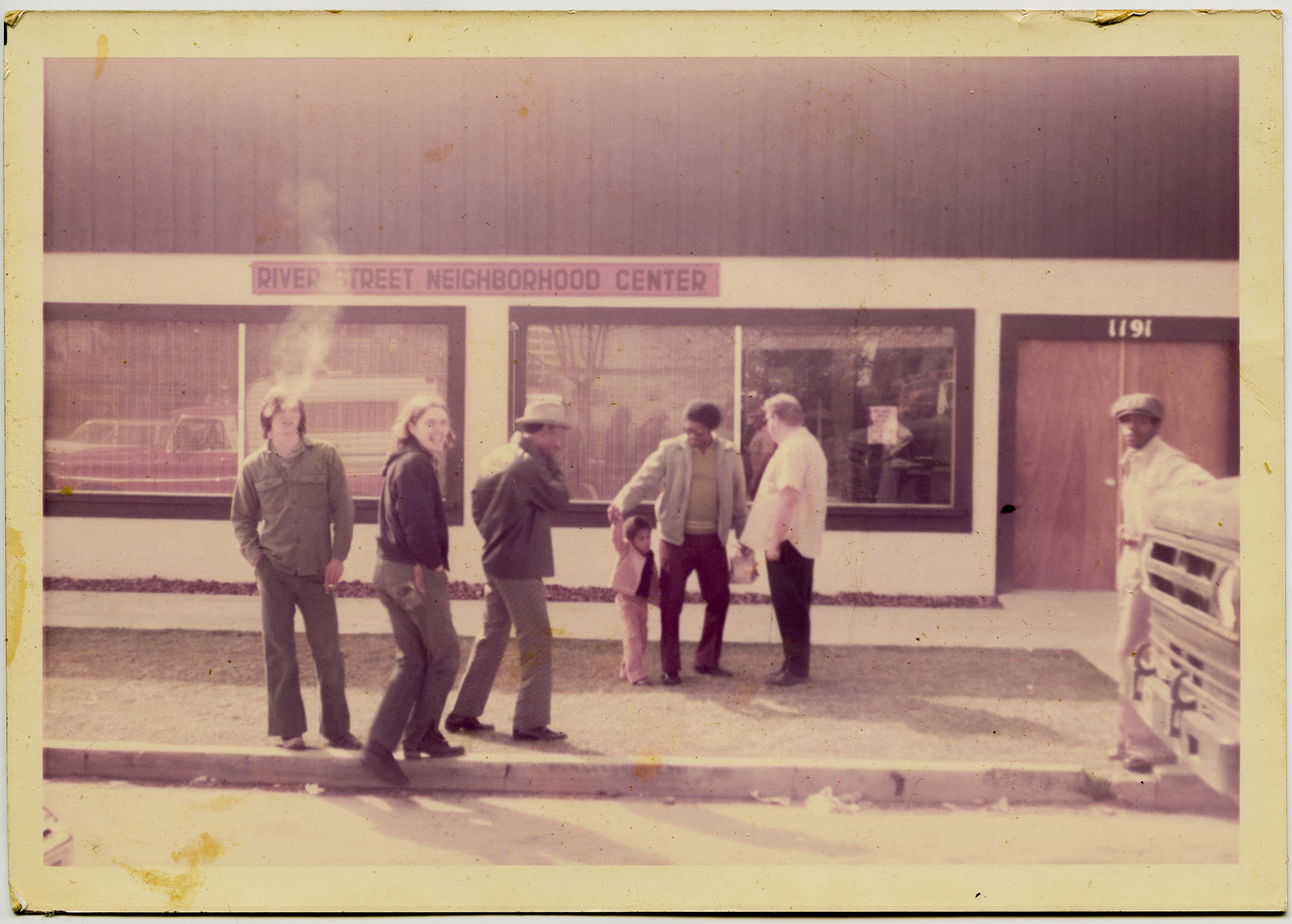
River Street Neighborhood
Boise, like any city, has experienced both triumphs and tragedies over the years. While the 20th century is often remembered as a period of rapid growth and economic success for Boise, there is another side to the story.
Read more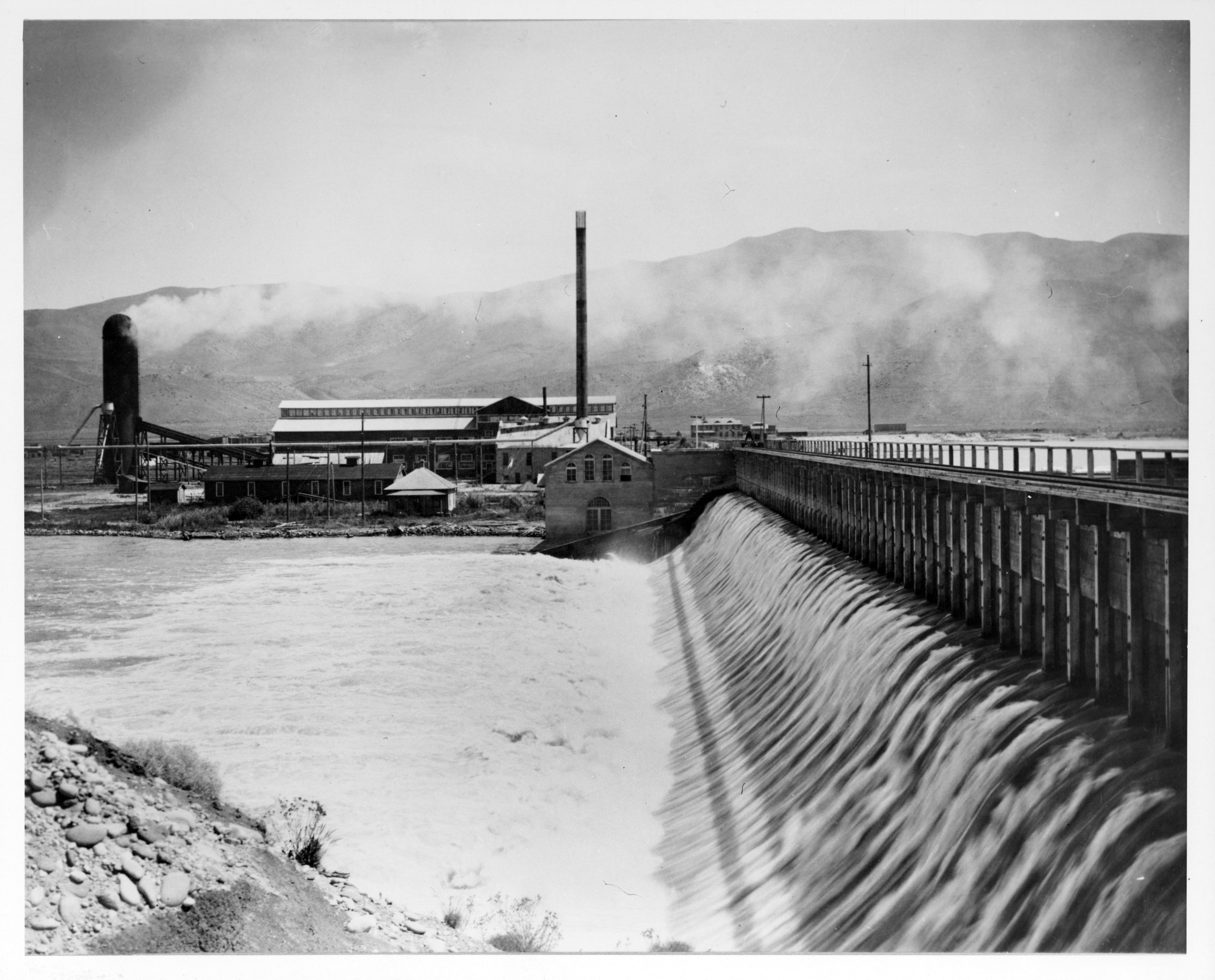
Barber Valley
About six miles east of downtown Boise, the Barber Valley neighborhood is filled with new development. It might seem as though a whole new town has sprung up on what used to be open fields just a few decades ago, but development in Barber Valley is hardly new.
Read more