-
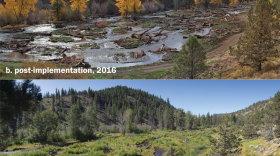 So-called process based restoration (PBR) has a number of ecological benefits. But it can make ecosystems more resilient to wildfires when they come, and better able to recover in their wake.
 -
 There were early signs that this fire season could be a big one, especially the record-low snowpack last winter. In Teton County — near the Grand Targhee Resort — that spurred interest in a novel effort: raising money to help hire a local wildfire mitigation coordinator.
 -
 While Sen. Tim Sheehy pushed to end Forest Service inspections of firefighting aircraft, an inspector found a potentially dangerous crack in a plane operated by the company Sheehy founded.
 -
 Store shelves are lined with school supplies this time of year, and some already have decorations for Halloween. But Forest Service workers in Idaho are thinking about Christmas.
 -
 Firefighters will now be able to use N95 masks on the fireline – building on a more limited, voluntary rollout of masking that started last fall. There will also be expanded access to showers, time for routine gear cleaning and so-called “clean air recovery periods” that can limit other risks.
 -
 The Forest Service says it's fully staffed with seasonal firefighters going into summer but there are still questions about whether the government is prepared if major wildfires get out of hand.
 -
 The tree for the 2026 Capitol Christmas Tree, also called “The People’s Tree,” will come from the Nez Perce-Clearwater National Forests this year. The hunt to find the perfect evergreen is on.
 -
 It’s Friday, which means it's time for our Reporter Roundtable when Idaho Matters gets you up to date on all the news that made headlines this past week.
 -
 In June, the Trump administration called for a consolidation of federal wildfire agencies “to achieve the most efficient and effective use of wildland fire offices.” Now federal leaders have released plans about how to carry out the order.
 -
 The federal government has issued new guidelines to wildland firefighters for the voluntary use of protective masks. The move comes as knowledge of long-term health risks faced by such workers – including cancer – grows.

© 2026 Boise State Public Radio

NPR in Idaho
Play Live Radio
Next Up:
0:00
0:00
Available On Air Stations


